
A Hangar Floor Is Not a Garage Floor
Aviation fluids and operations demand a different specification.
Skydrol & Jet Fuel Resistance
Skydrol hydraulic fluid softens standard epoxy in days. Our hangar systems finish with a chemical-rated urethane topcoat verified against Skydrol, Jet-A, avgas, and engine oils.
FOD Visibility
A bright, high-gloss white or light-gray floor makes dropped hardware and fluid leaks instantly visible — protecting engines and airframes from foreign object damage.
Point Loads & Towing
Landing gear and tugs concentrate weight on small contact patches. High-build 100% solids epoxy at proper mil thickness resists indentation and tire twisting.
Joints, Anchors & Door Tracks
Expansion joints and tie-down hardware get individual detailing — semi-rigid joint filler, edge rebuilding, and clean terminations at door tracks.
Our Hangar System Build-Up
1. Diamond grinding & moisture testing
CSP-2/3 profile across the full slab. Calcium chloride or RH testing — Florida slabs on grade demand it.
2. Joint & spall repair
Rebuilt joint edges, semi-rigid filler in control joints, repair mortar in spalls and tie-down perimeters.
3. Moisture-tolerant epoxy primer
Penetrating primer locks to the profile and handles vapor drive common in Florida hangar slabs.
4. High-build 100% solids epoxy body coat
The structural layer — typically light gray or white for reflectivity, applied at aviation-appropriate mil thickness.
5. Chemical-rated urethane topcoat
The Skydrol/fuel barrier with gloss retention and optional fine slip texture in walk lanes.
Typical investment: $4-10 per sq ft installed, depending on slab condition and chemical-resistance level. Large open slabs price efficiently.
Hangar Floor Coating FAQs
What is the best floor coating for an airplane hangar?
A high-build 100% solids epoxy base with a chemical-resistant urethane or polyaspartic topcoat. The system must resist Skydrol hydraulic fluid, jet fuel, and oils while providing a bright, light-reflective surface for FOD inspection.
Does epoxy resist Skydrol and jet fuel?
Standard epoxy does NOT resist Skydrol — it needs a specifically rated urethane topcoat. We specify chemical-resistance data sheets for every hangar system so hydraulic fluid drips wipe clean instead of staining or softening the floor.
How much does hangar floor coating cost in Florida?
Hangar systems typically run $4-10 per sq ft depending on slab condition, square footage, and the chemical-resistance level required. Large open slabs price efficiently — we quote after reviewing the slab and your operations.
Why do hangar floors need to be light-reflective?
A bright white or light gray gloss floor makes dropped hardware, fluid leaks, and FOD (foreign object debris) instantly visible — a safety and maintenance advantage. Gloss coatings can also improve lighting efficiency in the hangar.
Can you coat around anchor points and tie-downs?
Yes. We detail expansion joints, anchor points, tie-down hardware, and door tracks individually, and rebuild spalled joint edges before coating so the system performs under point loads and towing traffic.
Which airports and areas do you serve?
We serve private and commercial hangars across Florida, including the Naples, Page Field (Fort Myers), Punta Gorda, and Sarasota-Bradenton areas. Larger projects are quoted statewide.
Related Guides From Our Blog
Expert answers from our Southwest Florida flooring team.
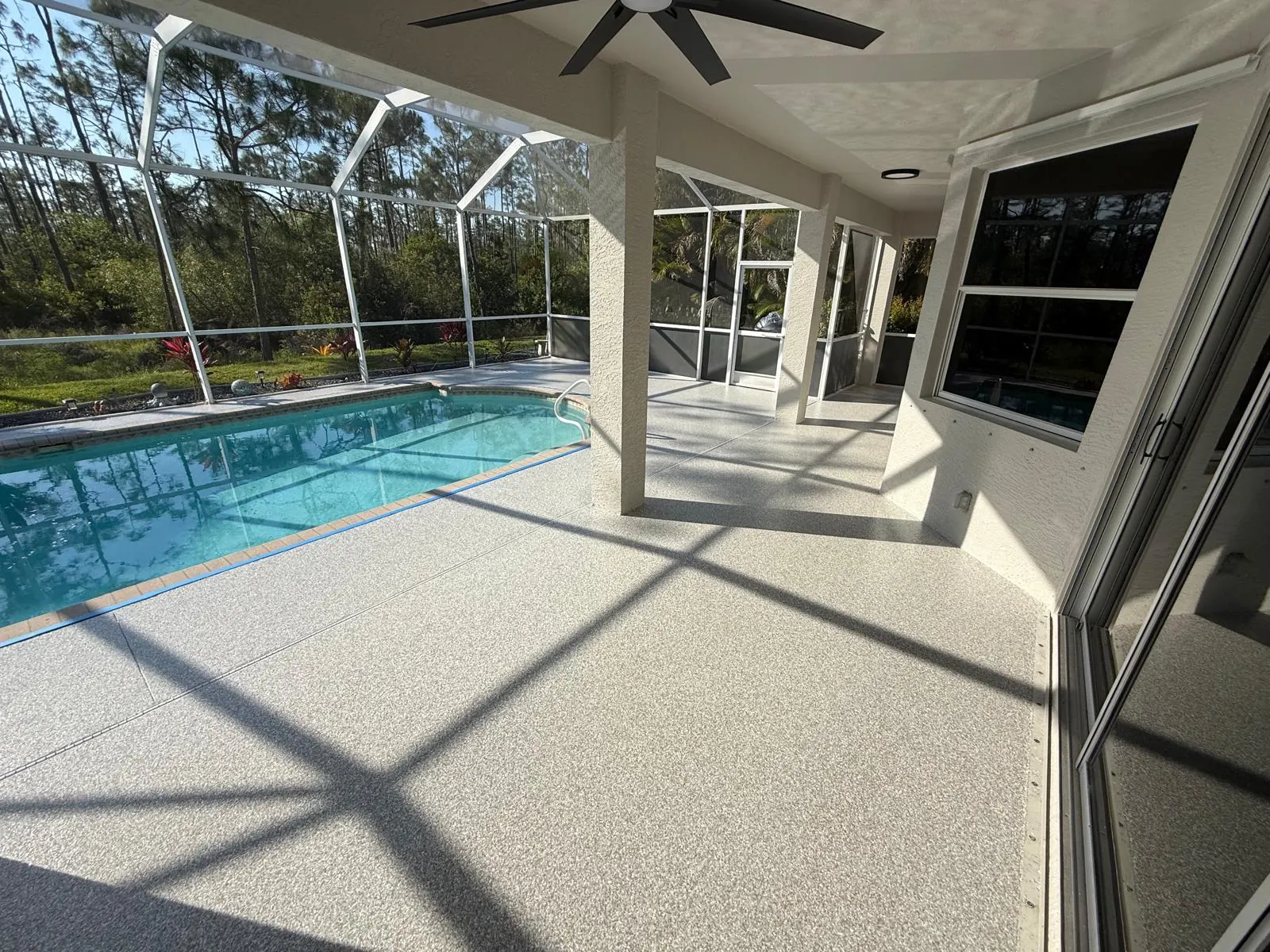
Best Epoxy Flooring for Florida's Humidity, Heat & Hurricanes: SWFL Climate Guide (2026)
Florida's humidity, heat cycles, salt air, and hurricane flooding destroy inferior coatings. Here's what actually survives in Naples, Marco Island, and the SWFL climate — from a local contractor who's seen it all.
Read the guide →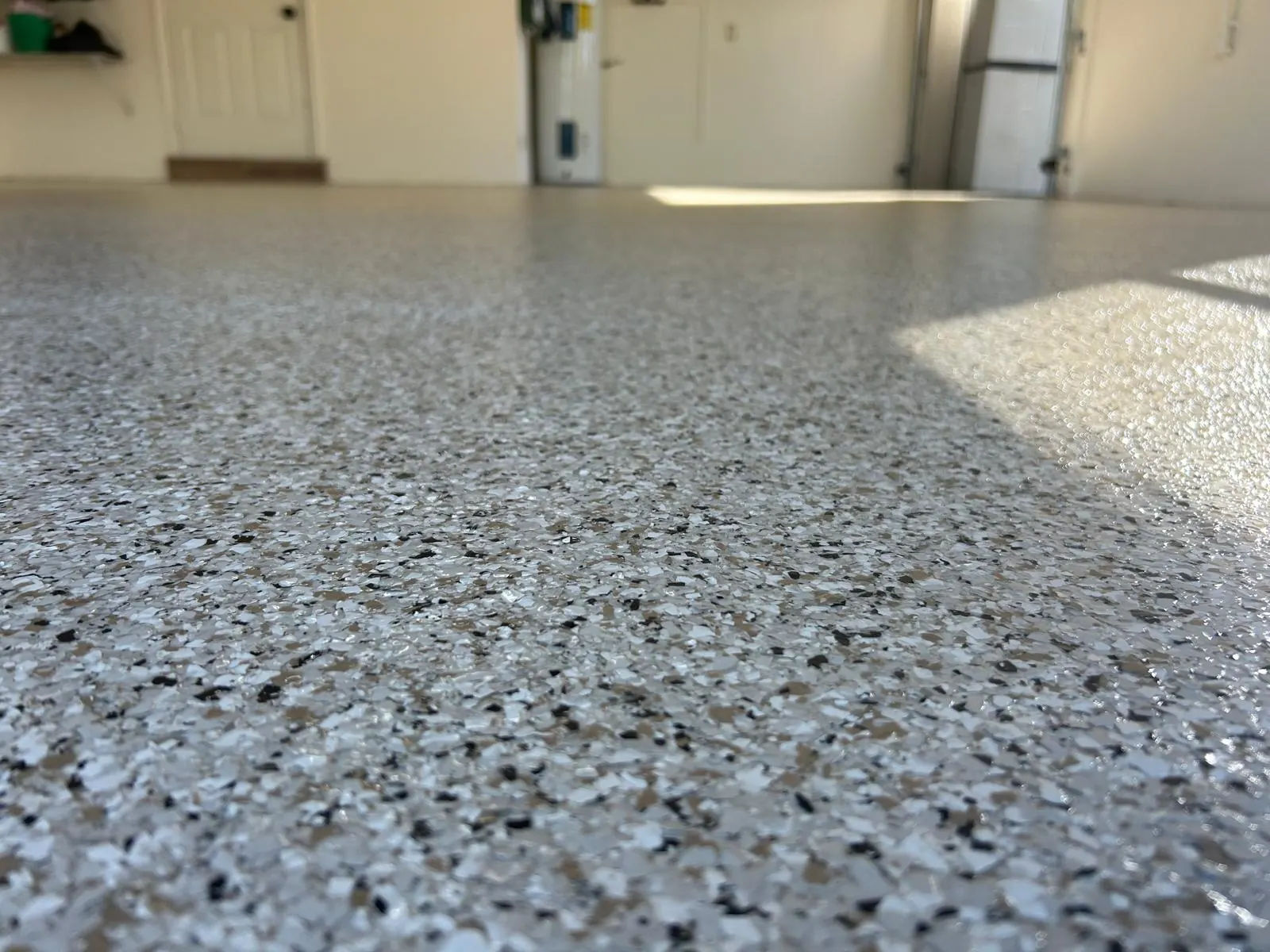
How to Prepare Your Concrete Floor for Epoxy: A Naples Pro's Checklist (And Why You Shouldn't DIY)
Concrete prep is 80% of a successful epoxy installation. Here's exactly what a licensed Naples FL contractor does before the first drop of resin hits your floor — and why DIY prep fails.
Read the guide →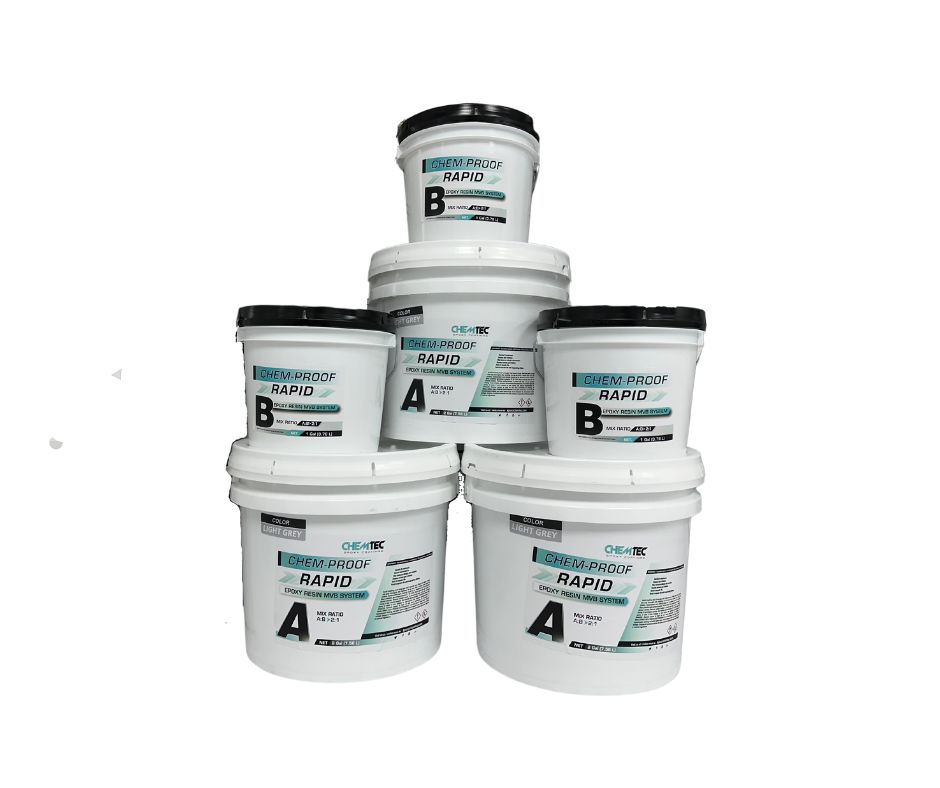
Chemtec Nebula, TerraSlate & Premera: The Premium Materials Behind Every EpoxyArt33 Floor
Why we pay more for premium epoxy products — and why it costs you less over 20 years. A transparent look at the material brands we specify on Naples luxury installs.
Read the guide →